Strength Training vs Bodybuilding: Which Should You Choose?
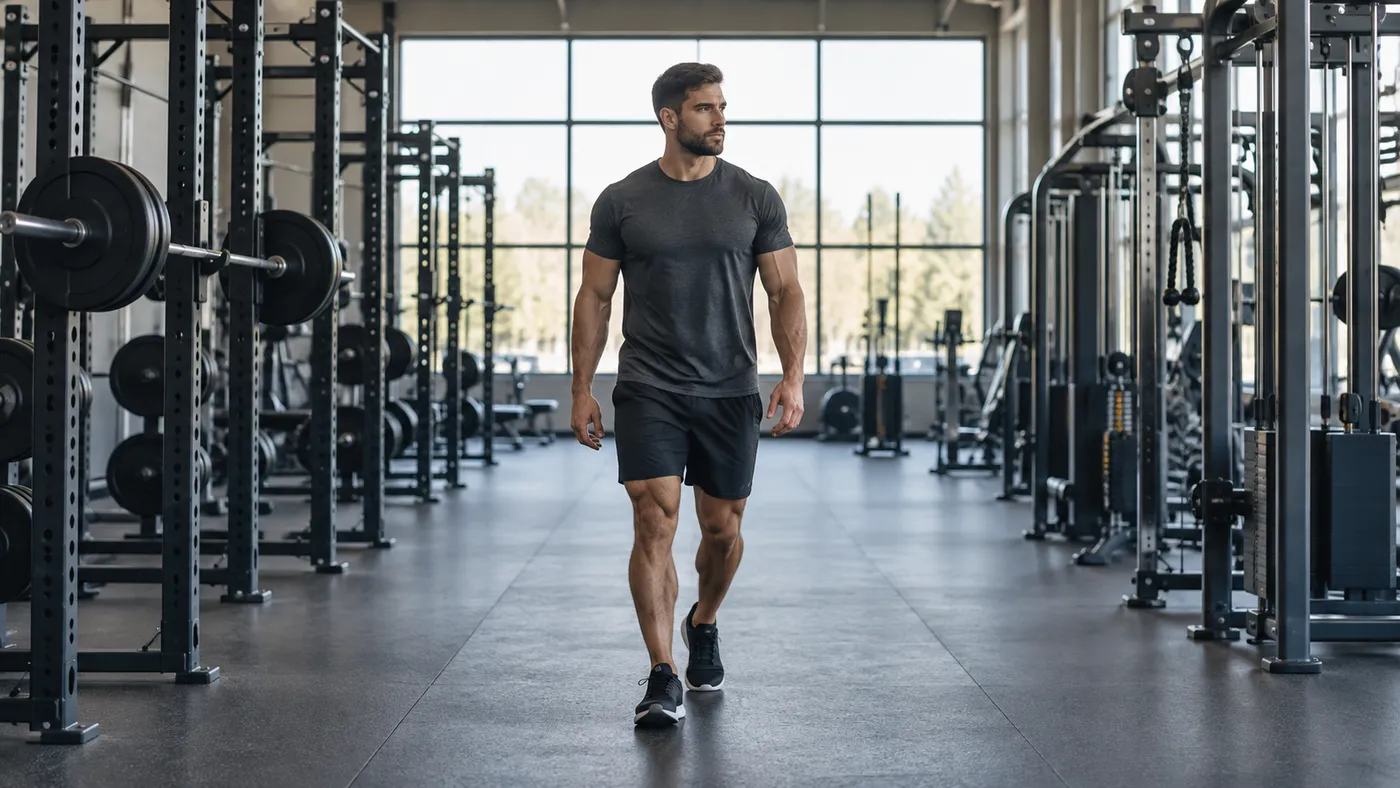
Choose strength training when getting better at producing force in specific lifts matters most; choose bodybuilding when adding muscle and improving your physique matters most. The two overlap heavily, and most recreational lifters benefit from both. The useful decision is not which camp you belong to—it is which outcome gets first claim on your time, recovery, and attention for the next block of training.
People often make this more complicated than it needs to be. A strength-focused lifter can build substantial muscle. A bodybuilder can become very strong. The difference is what you organize the workout around and how you judge whether it is working.
The simple difference between strength training and bodybuilding
Strength training is organized around improving performance: more load, more controlled reps at a given load, or better execution of a lift you want to get good at. It usually gives priority movements more practice, more rest, and a larger share of your freshest energy.
Bodybuilding is organized around hypertrophy: adding muscle over time. It uses enough challenging work for each target muscle, with exercise choices and rep ranges that let you accumulate that work consistently and recover from it.
Neither approach is defined by one piece of equipment. A barbell can be excellent for muscle growth, and a machine can be excellent for building strength. The label comes from the goal, not from whether you use a squat rack, cables, or dumbbells.
What changes inside a workout
The biggest practical difference is how you spend your limited high-quality work.
| If strength is the priority | If bodybuilding is the priority |
|---|---|
| Repeat key lifts often enough to improve at them | Accumulate enough hard work for the muscles you want to grow |
| Place demanding work early, while coordination and focus are fresh | Choose stable, comfortable exercises that let a target muscle work hard |
| Rest long enough that later sets stay comparable | Use rest that protects performance while keeping the session practical |
| Judge progress mainly through lift performance | Judge progress through performance, training volume, body changes, and symmetry |
| Keep extra work recoverable so it supports the main lift | Keep every hard set purposeful rather than filling the session with random volume |
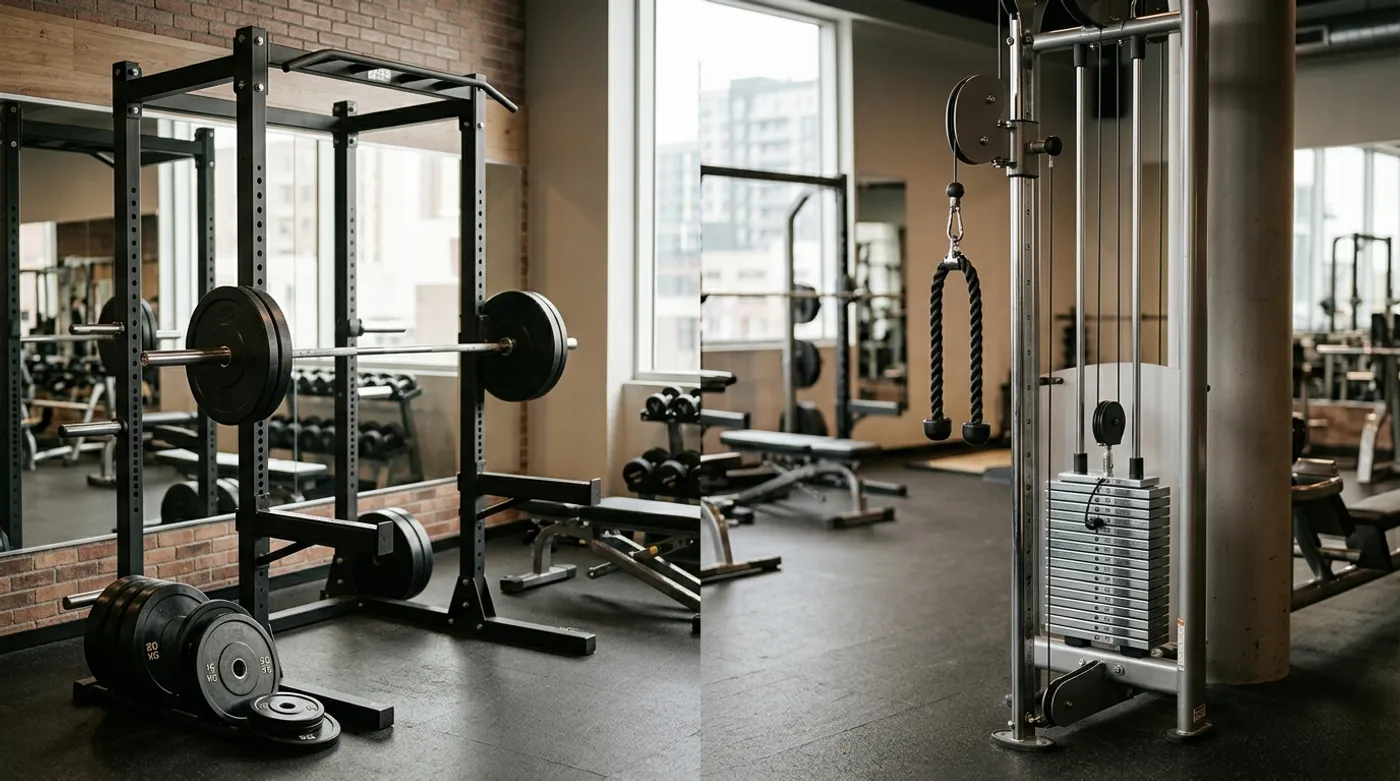
The equipment can overlap; the priority you give each kind of work is what changes.
A strength-focused session might put a demanding press, squat, pull, or machine movement first, then use a smaller amount of assistance work to build the muscles that support it. A bodybuilding-focused session may still start with a challenging compound movement, but it is more willing to distribute hard work across several angles or stable variations so no single lift dominates the whole training week.
You do not need to choose a pure version
Most gym-goers do best with an emphasis, not an identity. If you want a stronger bench press but also want larger shoulders and triceps, give the press a clear performance role and use the remaining work to build the relevant muscle. If your main goal is to add size, keep one or two movements stable enough to measure progress, then use the rest of the session to build repeatable volume.
That middle ground works because strength and hypertrophy share the same foundations: challenging sets, gradual progression, adequate food, and recovery. The trade-off appears when you try to maximize both at once. Very heavy practice can consume recovery that would otherwise support more muscle-building volume. Large amounts of volume can leave a key lift too fatigued to progress well.
For most people, the answer is to choose one priority for six to eight weeks rather than trying to win every metric every session. Our guide to building strength and muscle at the same time explains how to keep the non-priority quality moving without making the plan chaotic.
How to choose your focus
Strength training is usually the better emphasis when:
- a particular lift, sport, or performance number matters to you;
- you enjoy practicing and improving a few key movements;
- you can protect longer rests and focused work; or
- you want progress to be measured chiefly by what you can lift.
Bodybuilding is usually the better emphasis when:
- gaining muscle or improving a specific body part is your main goal;
- you enjoy a wider exercise menu and more targeted work;
- you want to manage fatigue by using movements that are easier to load safely; or
- you care more about long-term physique change than a single lift number.
If your answer is genuinely both, start with the question that has a deadline. Training for a powerlifting meet, a first pull-up, or a specific performance target calls for a strength bias. Trying to add muscle during a long, uneventful off-season usually calls for a bodybuilding bias. When there is no deadline, choose the work you are most willing to repeat patiently.
Avoid the two common mistakes
The first mistake is treating strength work as only low-rep max attempts. Strength also comes from regular, controlled practice with loads you can repeat and progress. You do not need to test a one-rep max to train for strength.
The second is treating bodybuilding as an endless list of exercises. Muscle grows from enough effective, repeatable work—not from making every session longer or chasing soreness. If performance is falling, sleep is slipping, and you cannot recover before the next session, more sets are not automatically better. Training volume only helps when you can use and recover from it.
Track the outcome you actually care about
Whichever emphasis you choose, keep a small set of signals visible. For strength, that may be the load, reps, and effort on your main lifts. For bodybuilding, it may also include weekly hard sets, body measurements, photos taken under consistent conditions, and whether target muscles are progressing without recovery falling apart.
Steady is built for the useful overlap: a focused record of the sets, reps, load, and history that let you see whether the work is moving. You do not need a social feed or a crowded program marketplace to make this choice. Pick a priority, log the work honestly, and give it enough comparable sessions to tell whether it is delivering the result you wanted.
Strength training and bodybuilding are not opposing teams. They are two ways of aiming the same basic tools. Give one direction the lead for now, keep the other in the background, and let consistent training—not labels—do the work.
Ready to start applying progressive overload?
Ditch the spreadsheets and complex notes. Join thousands of lifters who use Steady to focus on the workout, track their progress, and automatically know when to add weight.
Download Free for iPhone