How to Plan Exercise Substitutions
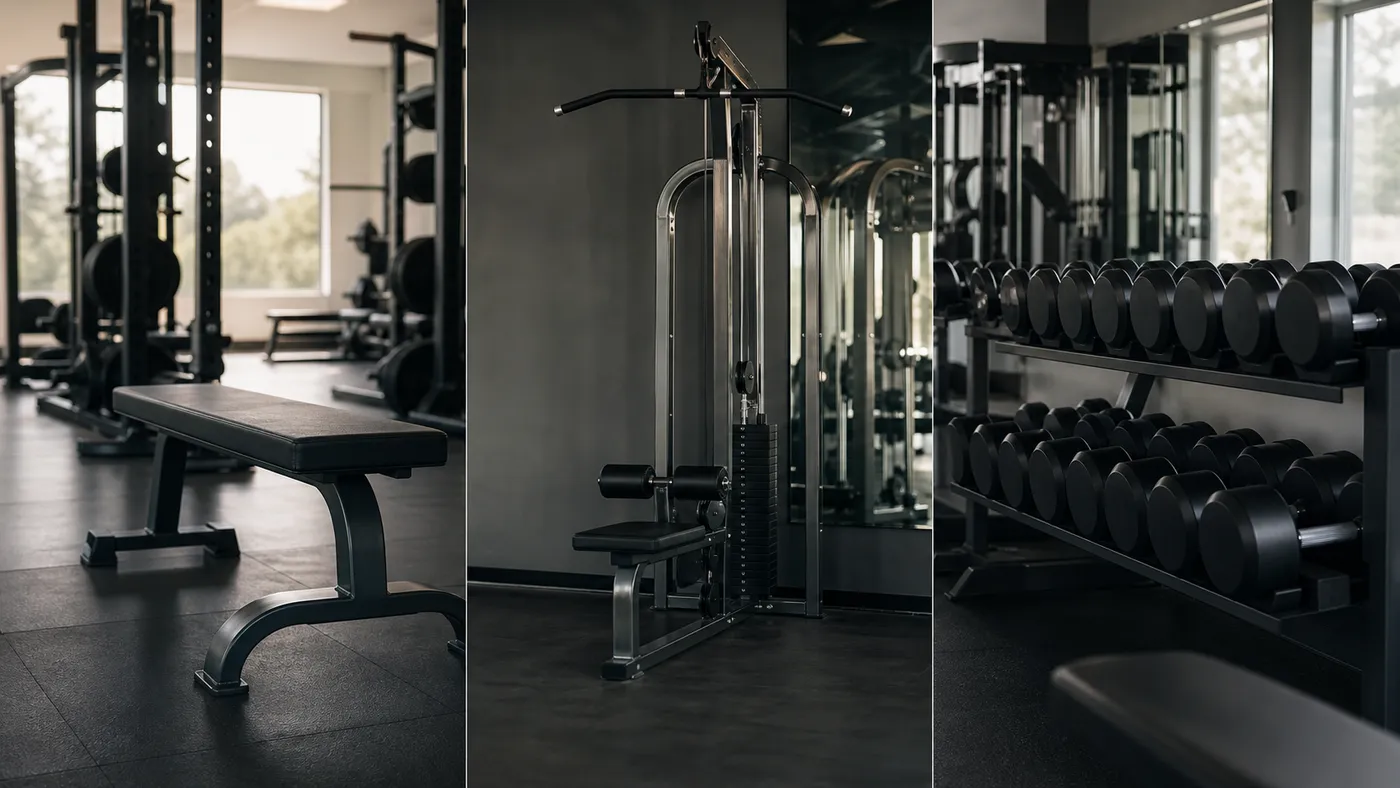
The best way to plan exercise substitutions is to decide your backup options before the workout starts. For each important exercise, pick one or two alternatives that train the same main muscle, use a similar movement pattern, fit the same rep range, and are realistic with the equipment you actually have. That turns a crowded gym problem into a quick decision instead of a random rewrite.
Most lifters only think about substitutions when something goes wrong. The rack is taken, the cable station has a line, the dumbbells jump too high, or a joint feels off during warm-ups. In that moment, the easiest choice is often the nearest available machine, not the best replacement.
A substitution map fixes that. It gives every important exercise a short list of acceptable backups, so you can keep training with intent even when the gym does not cooperate.
What is an exercise substitution map?
An exercise substitution map is a small list of planned backup exercises for your routine. It answers one question: if I cannot do this exercise today, what can I do instead without changing the purpose of the workout?
It does not need to be complicated. A useful map might look like this:
- Barbell bench press -> dumbbell bench press, machine chest press
- Cable row -> chest-supported row, seated machine row
- Leg curl -> seated leg curl, lying leg curl, stability ball leg curl
- Cable lateral raise -> dumbbell lateral raise, machine lateral raise
The point is not variety for its own sake. The point is preserving the training job.
Start with the job of the exercise
Before choosing a substitute, define what the original exercise is doing in the program.
Ask:
- What is the main muscle?
- What is the movement pattern?
- Is this a main lift, secondary compound, or accessory?
- What rep range and effort target does it use?
- Is the exact exercise important, or is the stimulus more important?
A squat, leg press, leg extension, and Bulgarian split squat can all train the legs, but they are not interchangeable. One may be the heavy skill lift of the day. Another may be a stable quad-focused volume exercise. Another may be unilateral work for balance and range of motion.
If you know the job, the backup becomes easier to choose.
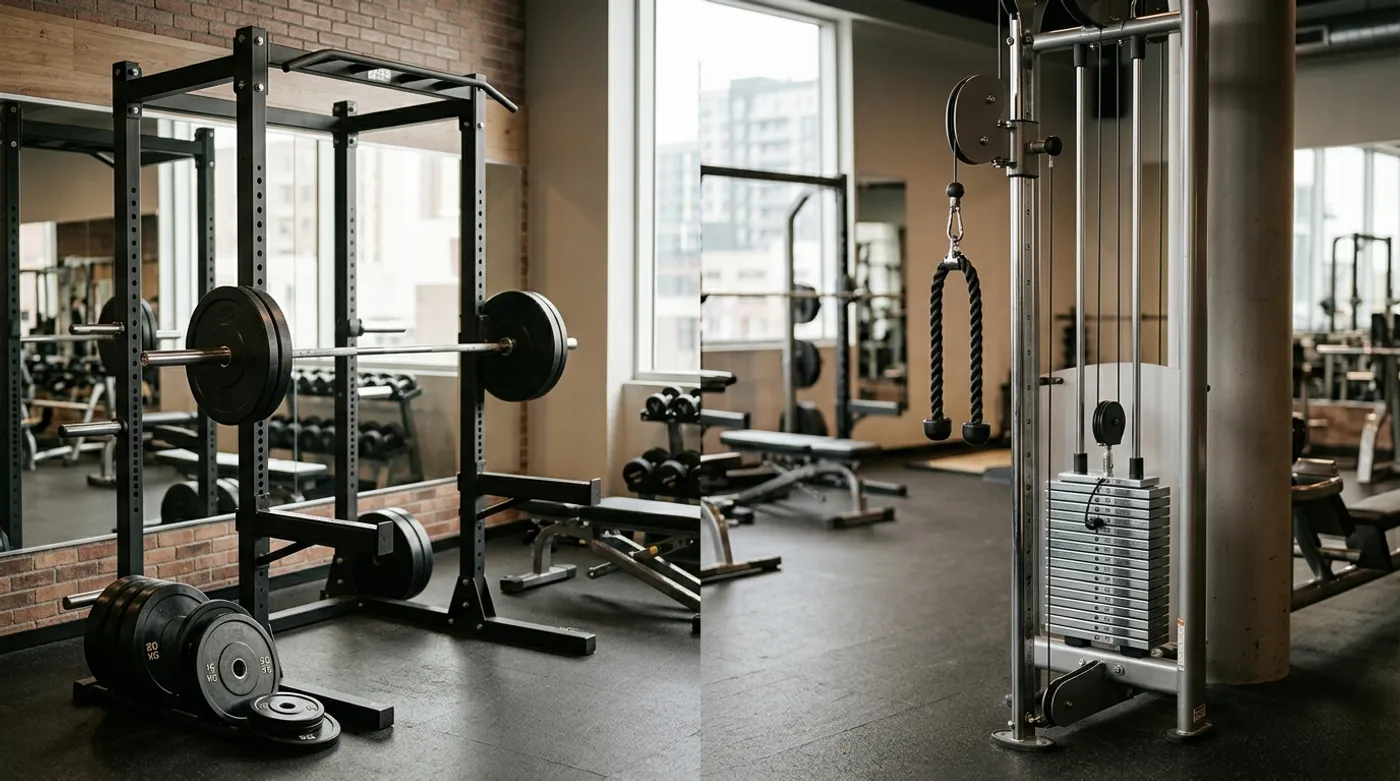 Good substitutions are easier to choose when each station has a clear role in the workout instead of just being “another exercise for the same body part.”
Use a substitution hierarchy
Not every backup option is equally close. Use a simple hierarchy:
- Same exercise, different station. Another cable column, another bench, another leg curl machine.
- Same pattern, similar equipment. Barbell bench to dumbbell bench, cable row to machine row.
- Same main muscle, different setup. Cable lateral raise to dumbbell lateral raise, pec deck to cable fly.
- Different pattern, same muscle group. Leg curl to Romanian deadlift, pulldown to row.
- Skip or move on. Better than doing a substitute that changes the workout too much.
The higher you stay on the hierarchy, the cleaner your log stays.
This is especially important for exercises you are trying to progress. If you replace barbell bench with a different chest movement every week, your chest may still get work, but your bench progress becomes harder to read. If you usually use the same one or two backups, the pattern stays clearer.
Plan different backups for main lifts and accessories
Main lifts deserve stricter substitutions. If your program is built around squats, bench press, deadlifts, or overhead press, waiting a few minutes may be better than swapping too quickly. The exact lift often matters because you are tracking skill, load, setup, and long-term progression.
Accessories can be more flexible. A cable curl, dumbbell curl, preacher curl, and machine curl can all fill a biceps slot if the rep range and effort target are close. A dumbbell lateral raise can usually replace a cable lateral raise without changing the session much.
Use this rule:
- Main lift: one close backup, and wait if the original will open soon.
- Secondary compound: one or two backups with similar movement patterns.
- Accessory: two or three backups that preserve the main muscle and rep range.
That keeps the plan flexible without making it random.
Adjust load by effort, not by matching numbers
The same number on the log does not mean the same training stress across exercises.
A 40 kg dumbbell bench press, a 40 kg machine chest press, and a 40 kg barbell bench press are different things. Machines have different leverages. Dumbbells require more stabilization. Cable stacks may not reflect true resistance the same way from gym to gym.
When you use a substitute:
- Keep the planned set count unless the new exercise is much harder to recover from.
- Keep the same rep range when possible.
- Choose the load by target effort.
- Leave one or two reps in reserve on the first set.
- Log the exercise you actually performed.
If the substitute becomes a regular part of the routine, progress it on its own terms. Do not force it to match the original exercise’s numbers.
Make your map practical for your gym
A perfect substitution list is useless if your gym does not have the equipment.
Think about your actual environment:
- If your gym has one squat rack but several leg press machines, choose a realistic lower-body backup.
- If the cable station is always busy after work, plan dumbbell and machine alternatives.
- If dumbbells jump in large increments, include a machine or cable option for smaller progressions.
- If certain machines feel bad on your joints, do not list them just because they look close on paper.
The best substitution is not always the most textbook option. It is the closest option you can perform well, load sensibly, and repeat when needed.
For a full step-by-step approach to the live decision, see how to adjust a workout when equipment is taken. The substitution map is what you build beforehand; that article is what to do in the moment.
How to use this in Steady
Steady is built for this kind of practical planning. With Steady Pro, Exercise Alternatives lets you save your own alternatives for an exercise and also review suggested alternatives, so the backup list is available when the workout is already moving.
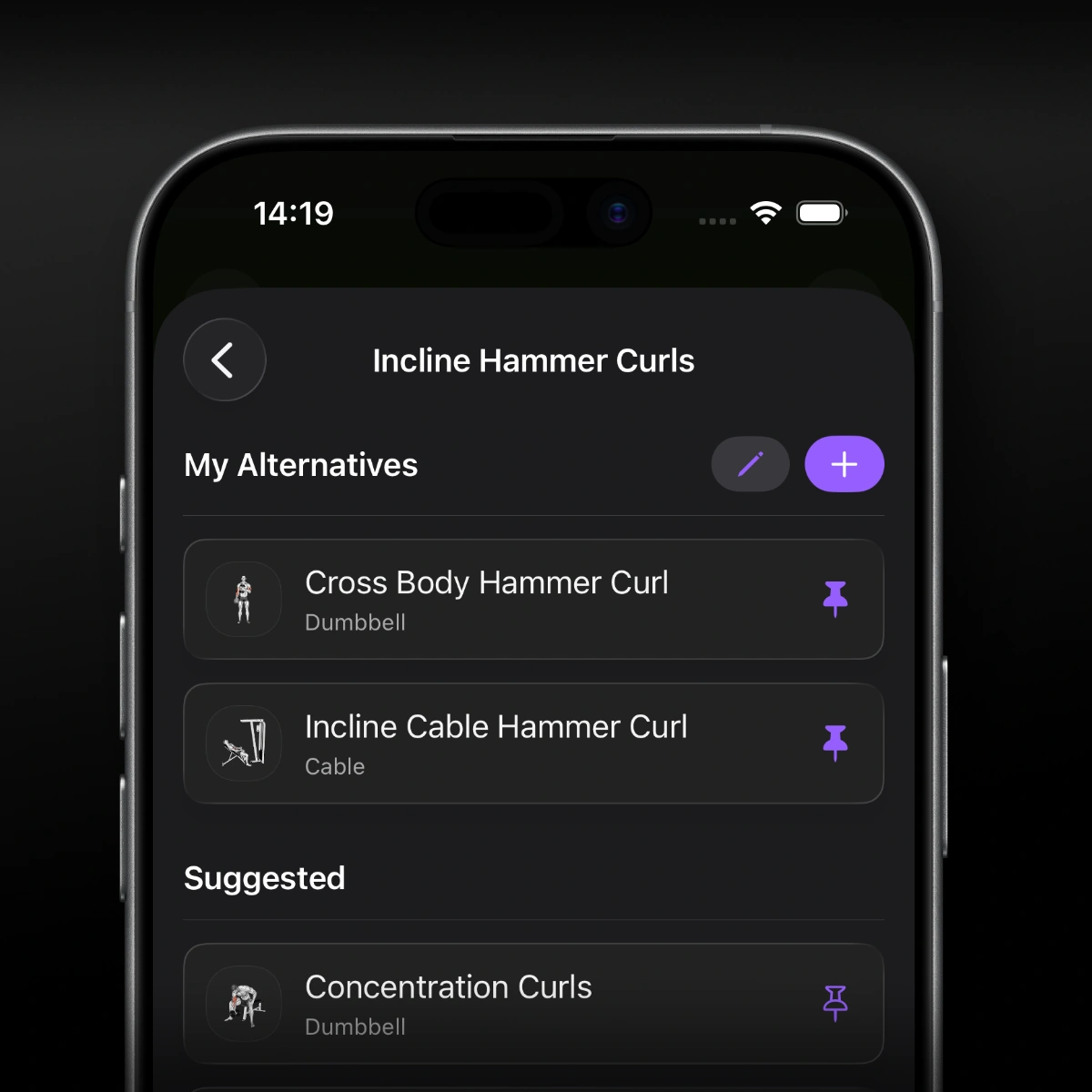 Saved alternatives make substitutions feel like part of the plan, not a rushed decision while someone else is using the station.
Equipment Preferences, also included with Steady Pro, helps keep the exercise library focused by hiding equipment types you do not have access to. That matters because a substitution list should reflect the gym you actually train in, not an ideal gym with every machine available.
The important part is to log what you did. If you planned cable row but used a chest-supported row, record the chest-supported row. Your history stays honest, your progression stays easier to interpret, and next time you will know whether that backup actually worked.
Common mistakes
Choosing by body part only. A leg extension and Romanian deadlift both involve the legs, but they do very different jobs.
Changing too many variables at once. If you swap the exercise, rep range, load target, and set count, it becomes hard to know what changed.
Using a new substitute every week. Occasional changes are fine. Constant novelty makes progression hard to read.
Matching the old weight blindly. Different equipment does not compare cleanly. Match effort first.
Skipping the log detail. “Back workout” is not enough. Record the actual exercise so future you can interpret the session.
The bottom line
Plan exercise substitutions before you need them. For each important movement, choose backups that preserve the main muscle, movement pattern, rep range, and training intent.
Steady helps you keep that map close to the workout itself: focused routines, saved alternatives, equipment-aware exercise browsing, and clean logging without turning every busy gym day into a full program rebuild.
Ready to start applying progressive overload?
Ditch the spreadsheets and complex notes. Join thousands of lifters who use Steady to focus on the workout, track their progress, and automatically know when to add weight.
Download Free for iPhone